
Make the offer clear in the first few seconds
A visitor should not have to work out what you do from a clever headline and a stock photograph. Say what the service is, where you work and who it is for. Then make the next step obvious.
For a local business, useful detail beats a page full of broad promises. Explain the actual work, the areas you cover and what happens when somebody contacts you. You can still make it sound like a person.
Show the work behind the claim
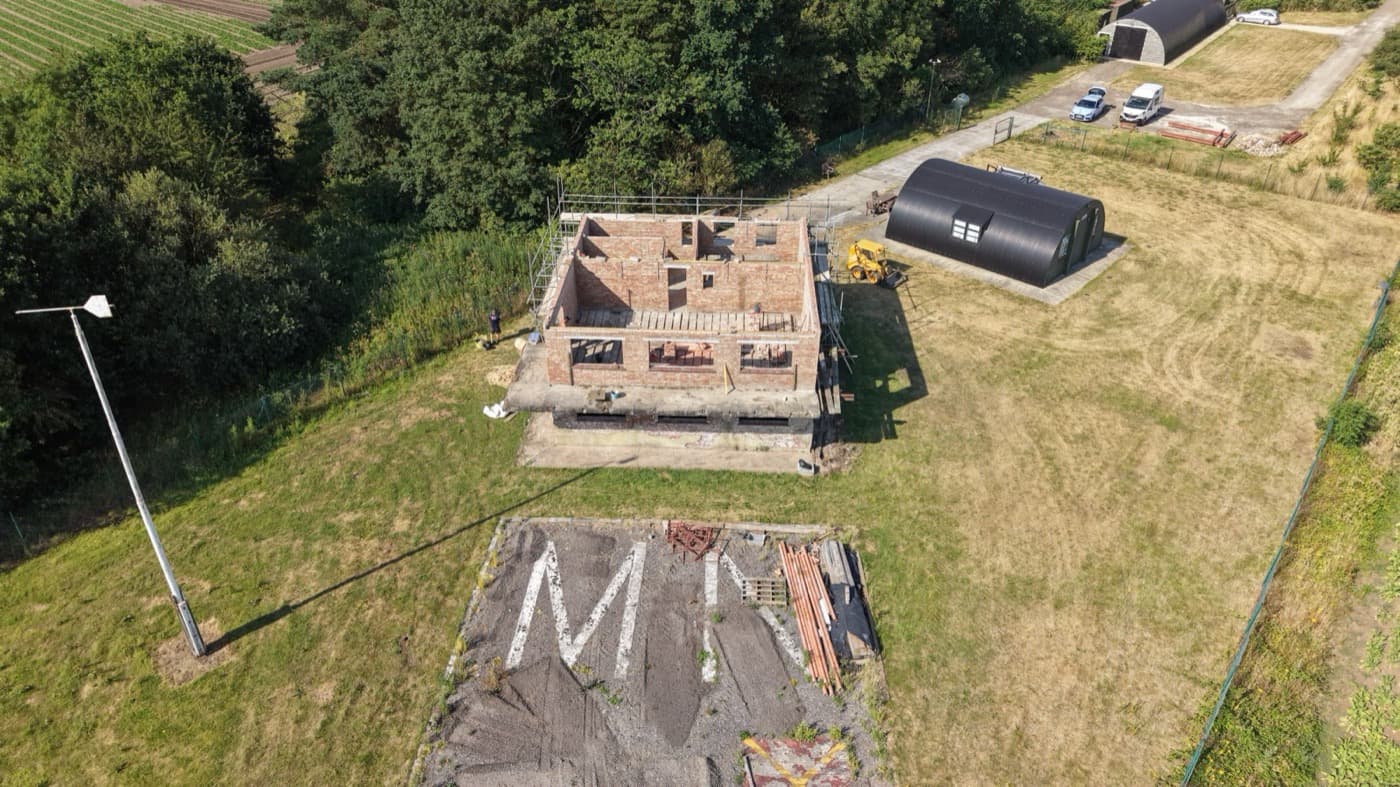
Use real project photographs, short videos and descriptions that explain what the customer needed and what you did. A small selection with context is stronger than a large gallery of images nobody can place.
Do not label an unfinished project as completed. If you worked with another business, describe your part accurately. If you do not have permission to use a customer's name or home, choose another example or agree what can be shown.
Answer the practical questions
People often want to know the process, likely timescales, what affects the price and what they need to prepare. Where there is no single price, explain how you quote. Where availability changes, invite an enquiry instead of leaving an old promise on the page.
Create a useful page for each genuinely different service. Give it a descriptive title and link it from relevant project examples. Repeating the same paragraph under a long list of town names will not help a customer decide.
Check the contact route properly
Open the site on a phone. Try the menu, read a service page and use the contact method. If there is a form, check the validation, the success message and whether the enquiry reaches the place you actually check.
Do not make people fill in details that you do not need. Name, a contact route and a short explanation may be enough to start a conversation. Say what happens after they submit and give another way to reach you if the form fails.
Build a useful connection with your content
A reel about a particular job can point to the relevant project or service page. A guide can help someone prepare before a call. The website and social content should support each other rather than sending every visitor to an unrelated homepage.
Keep the details consistent: business name, contact information, service areas and current offer. Review the pages when something changes in the business. A website is easier to maintain when the core information is clear from the start.
If you are planning a website alongside fresh photography or video, agree the page needs before the shoot. That way the images have somewhere useful to go, and you avoid discovering later that every photograph leaves no room for the heading.