
Sigma 17–40mm f1.8 for Fujifilm X
I’ve been using the Sigma 17–40mm f1.8 for just over two weeks now, and I’ve taken it pretty much everywhere with me.
Peak District hikes, a bit of street photography, some portraits, product shots, and just general day-to-day stuff. I didn’t want to just test it, I wanted to actually live with it and see how it fits into how I shoot.
Quick note before anything else. Sigma UK sent this lens out to me, but I do have to send it back. They’ve had no say in what I’m saying here, so this is just my honest experience using it.

First Impressions
I’ve gone from someone who only used primes to now preferring zooms.
The Fujifilm XF 16-55mm f2.8 R LM WR II has been my main lens for a while and I’ve genuinely loved it. It’s lighter than the original at around 410 g, (The Sigma lens is 535g) and it’s been solid in all sorts of conditions.
But there are a few small things about that lens that this Sigma just does better.
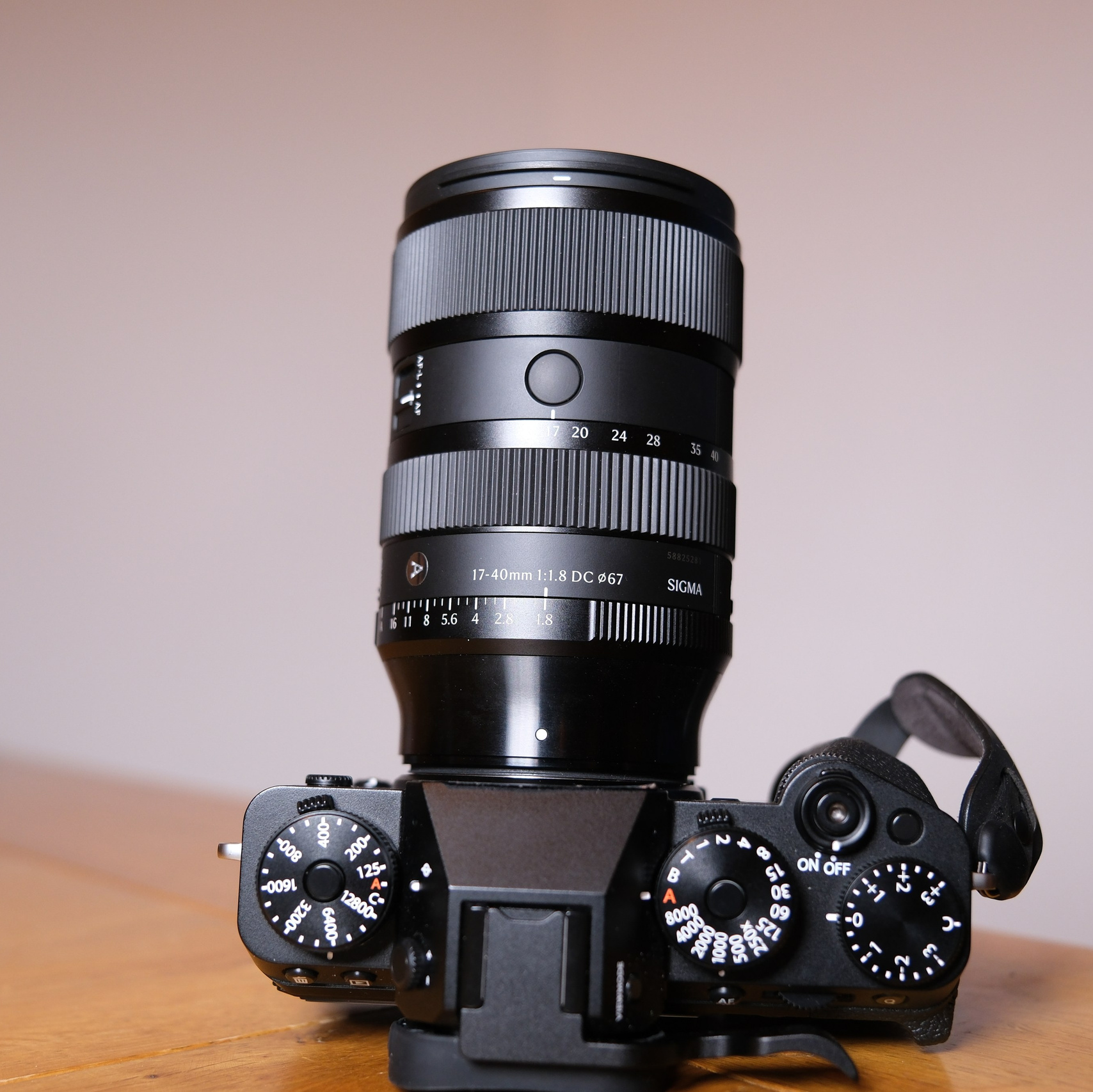
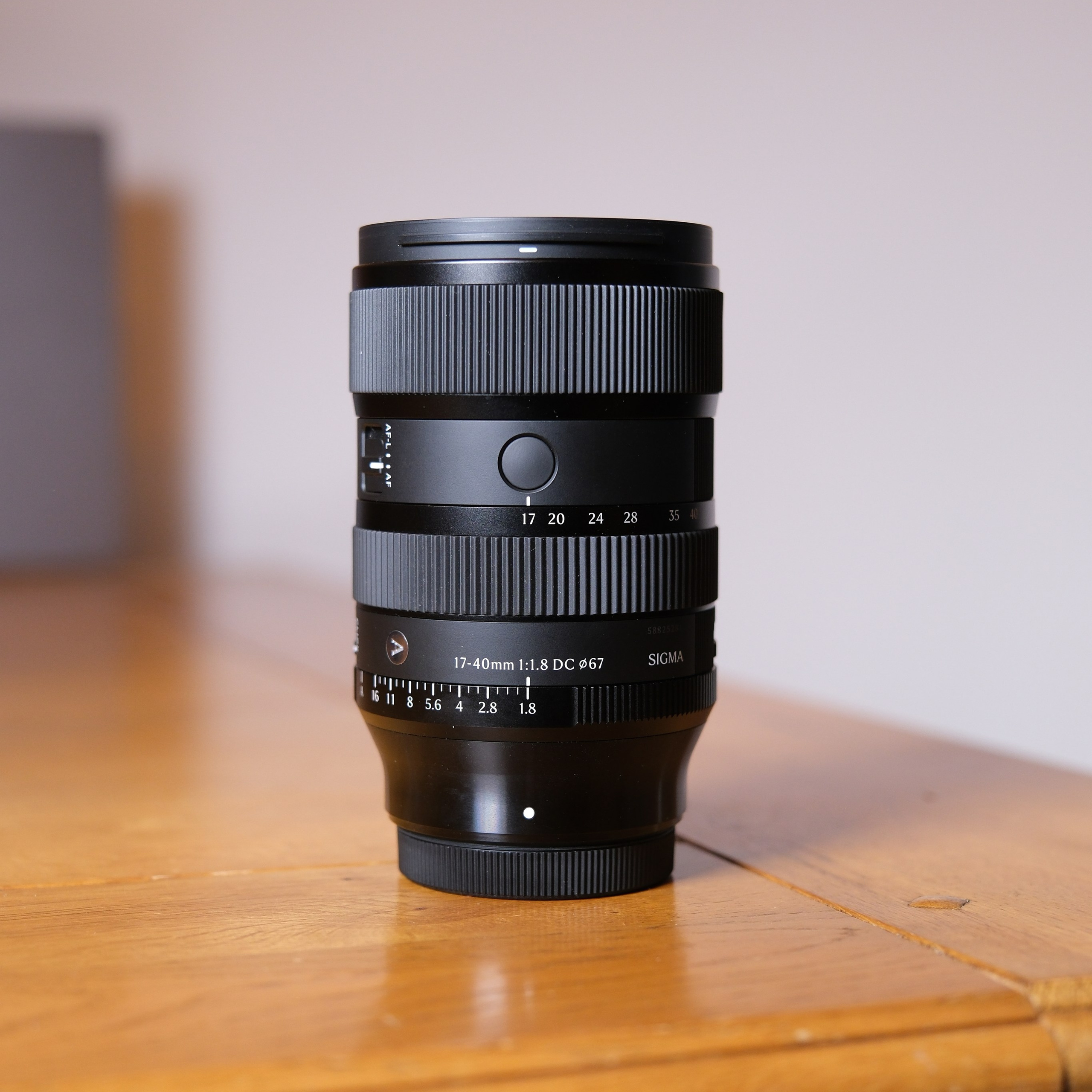
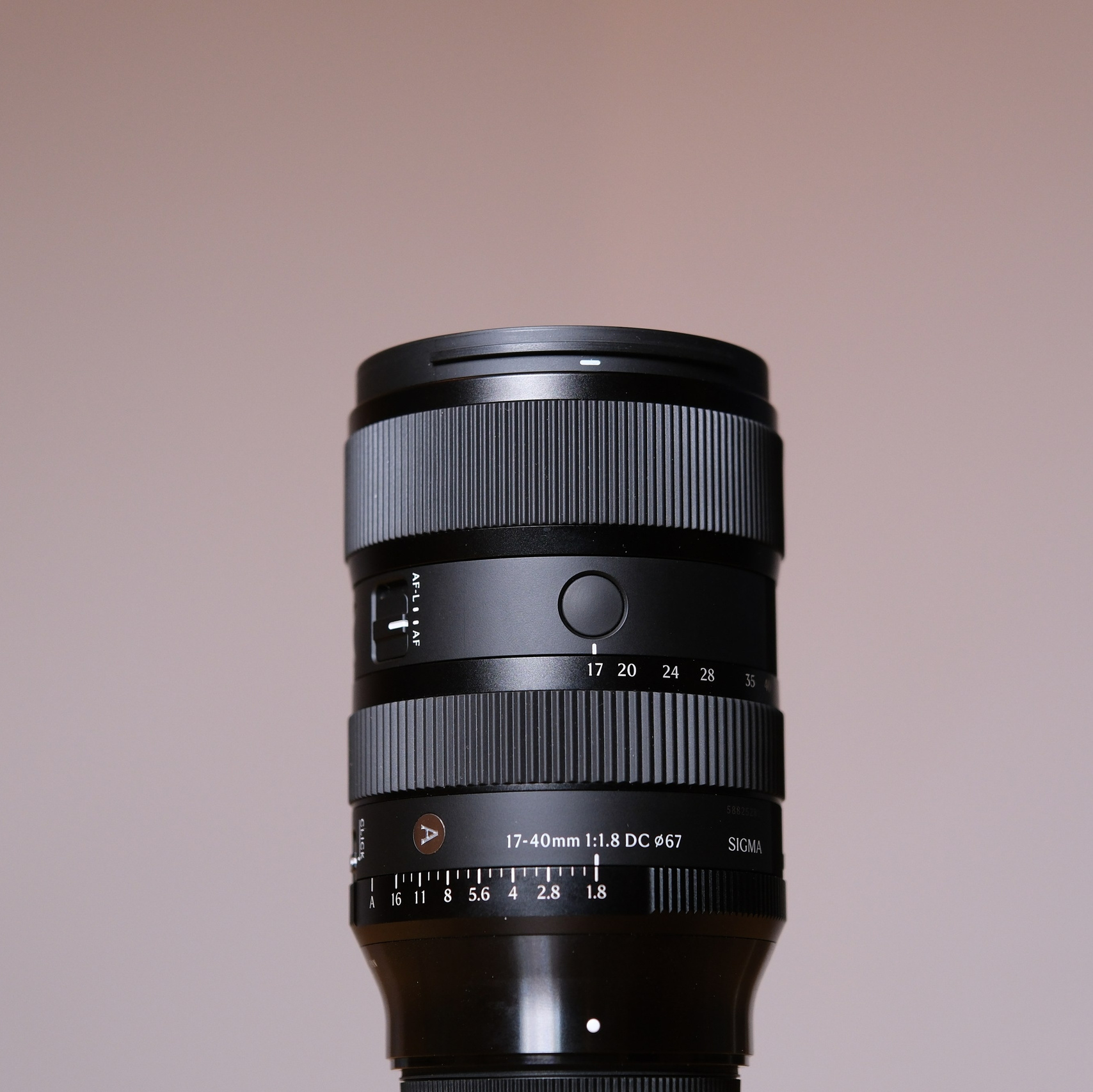
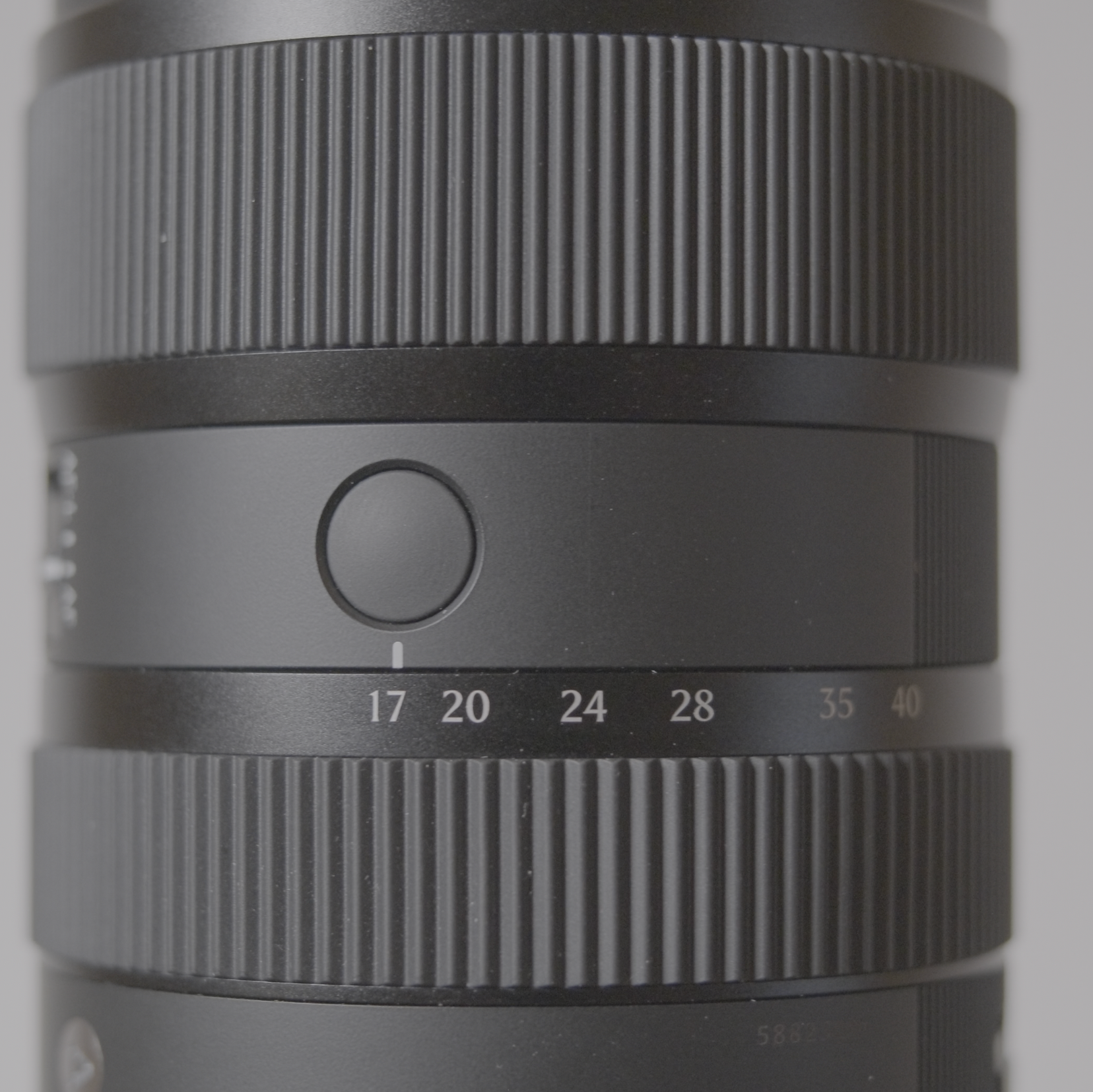
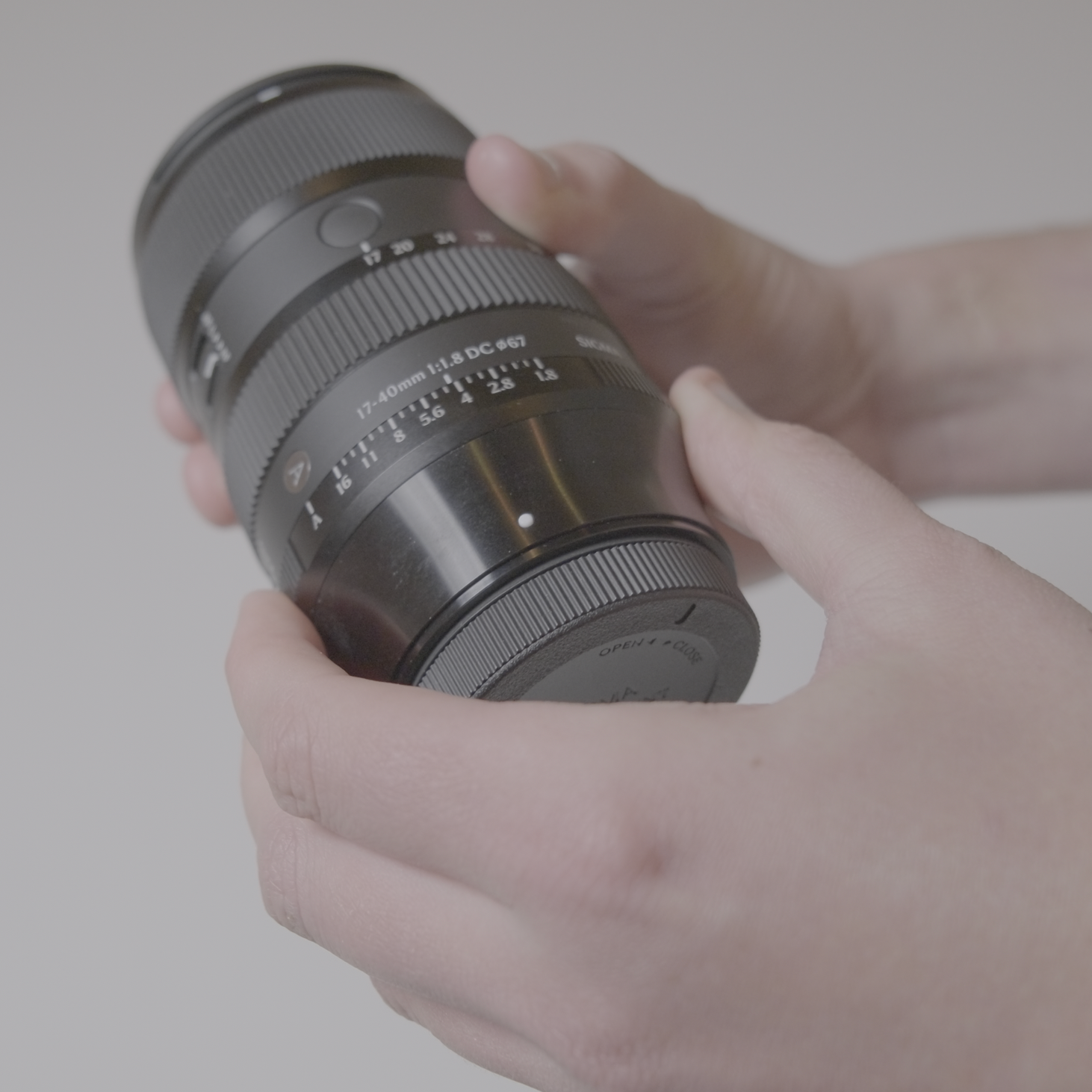
The first thing I noticed was the aperture ring. You can de-click it if you want, which is great for video, but I actually prefer it clicked. The difference here is how it feels. The Sigma is heavier, more deliberate, and harder to knock. On the Fuji, I’ve definitely nudged it without realising. On this, that just doesn’t really happen.
I tend to set my aperture and leave it, so having that more solid feel makes a bigger difference than I expected. I’d still love a proper lock, but this is already better.
Build, Size and Feel
The internal zoom is probably the biggest standout feature.
Once you’ve used a zoom that doesn’t extend, it’s hard to go back. It just feels cleaner. No shifting weight, nothing extending out, and if you’re using a gimbal it makes life easier.
It also just feels more solid overall.
The Sigma comes in at around 530 to 535 g, so it is noticeably heavier than the Fuji, and it’s also longer at roughly 116 mm.
You do feel that difference.
But at the same time:
- The weight doesn’t shift when zooming
- It feels well balanced on something like an X-T5
- The build quality is genuinely impressive
I’d actually say it feels slightly more solid than the Fuji. It just feels like it can take a bit more abuse.
That said, if you’re using a smaller body like an X-E or X-M, I think it’ll feel too front-heavy. On something like an X-T5, X-S20 or X-H2, you’re absolutely fine.
Also worth mentioning, it uses a 67 mm filter thread compared to Fuji’s 72 mm, which is nice if you want slightly cheaper filters.
Using It in the Real World
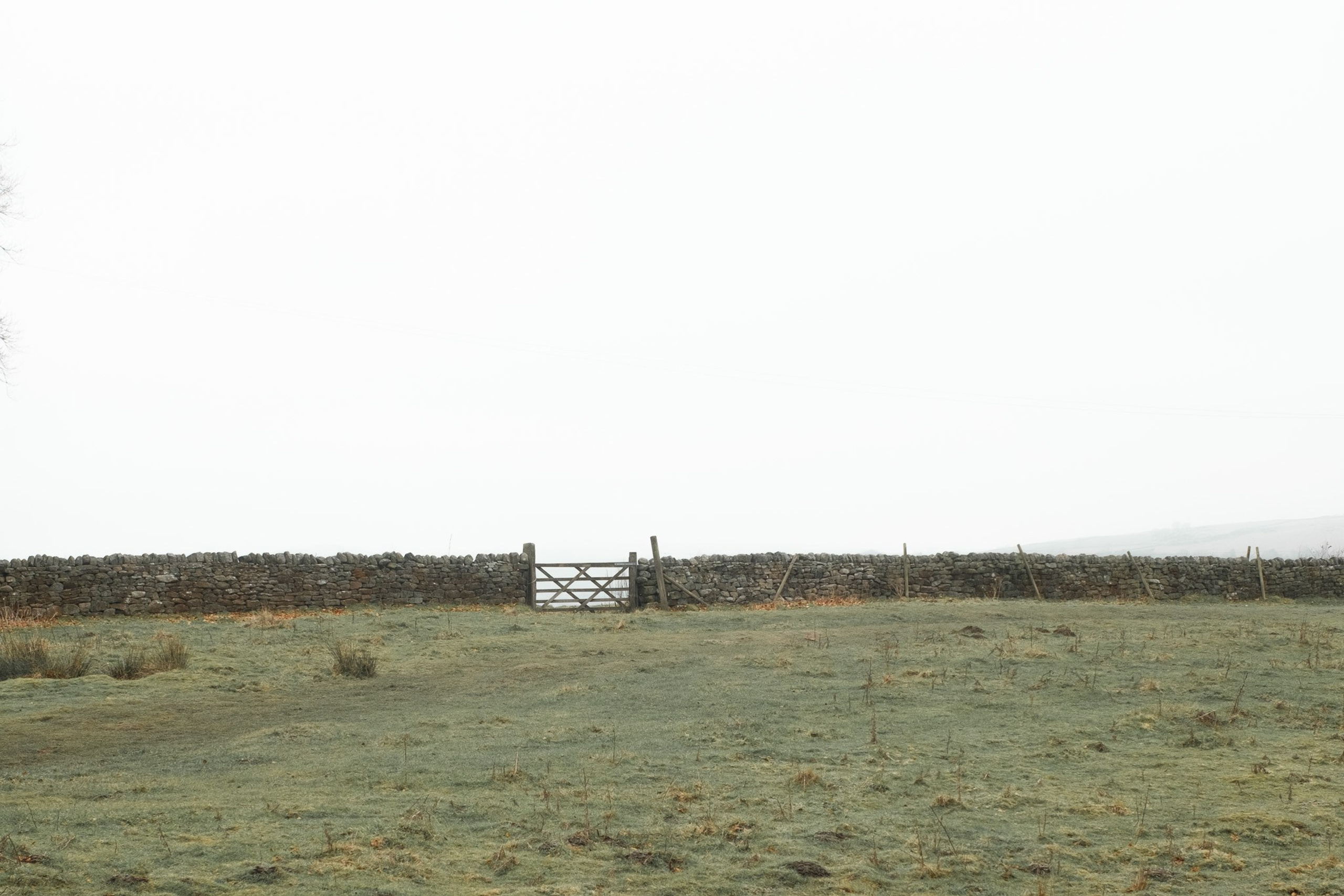
The first proper outing was the Peak District. About a 10 km hike, fairly quick pace, and the weather was all over the place. Sun one minute, then rain, hail and a bit of snow.
The lens handled it without any issues.
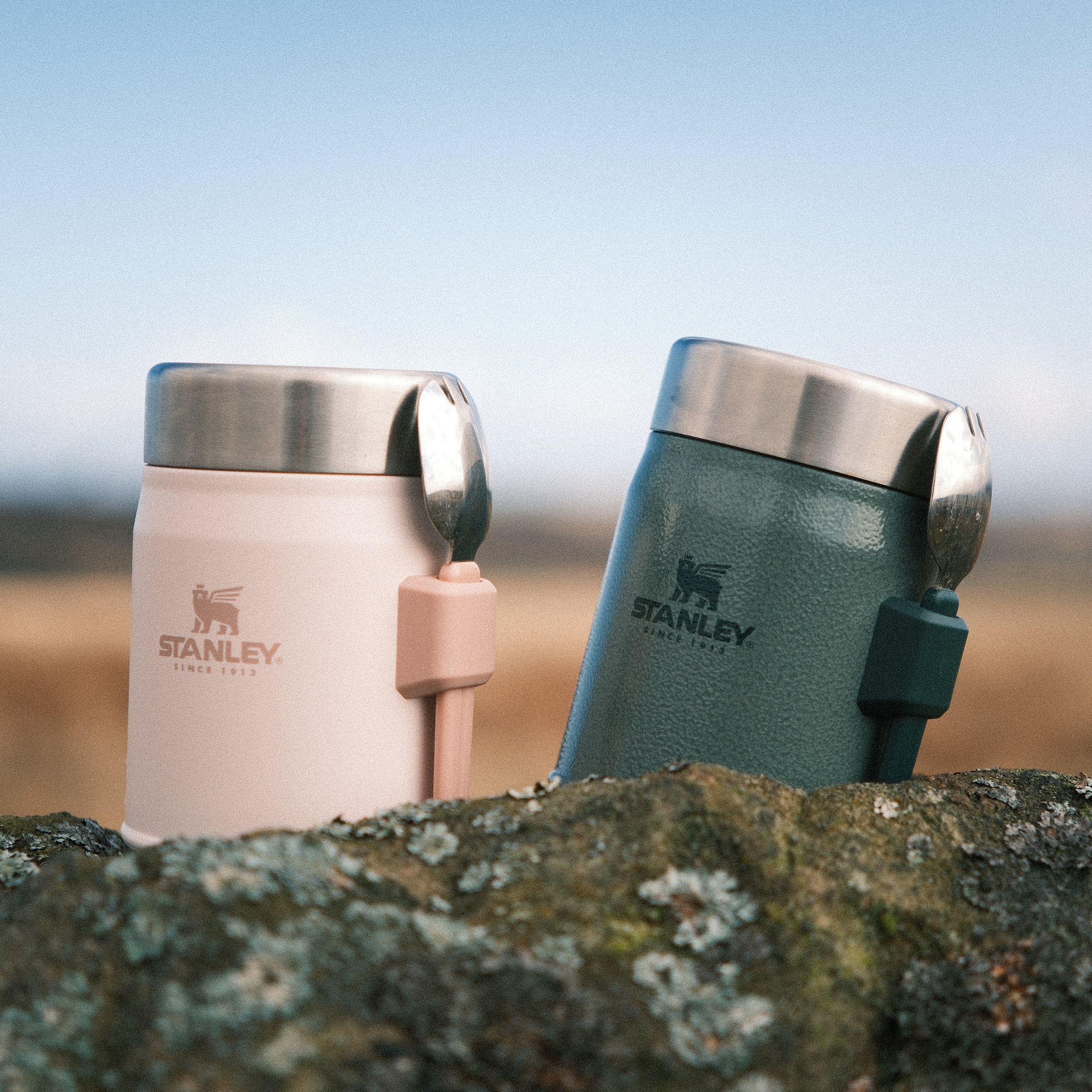
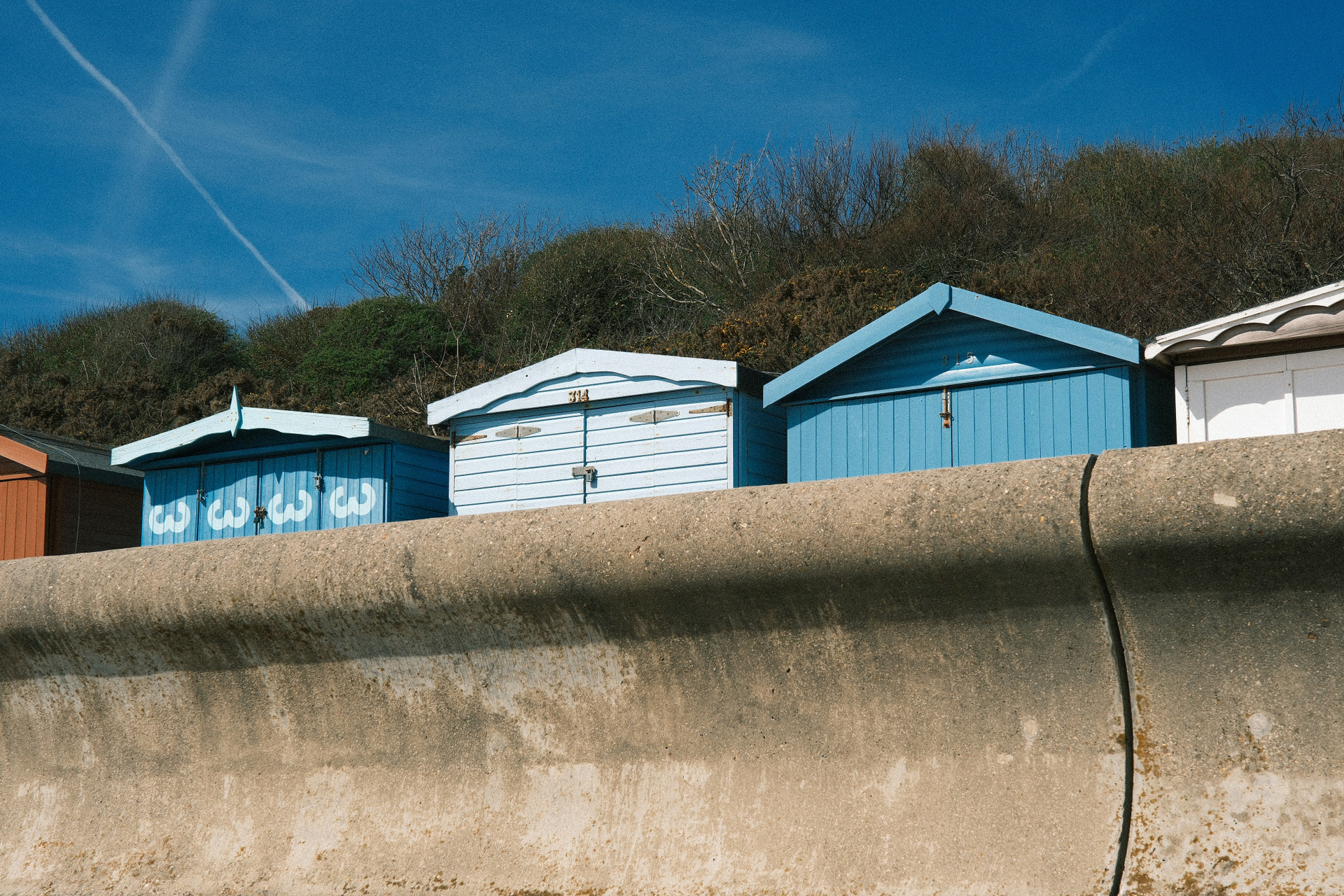
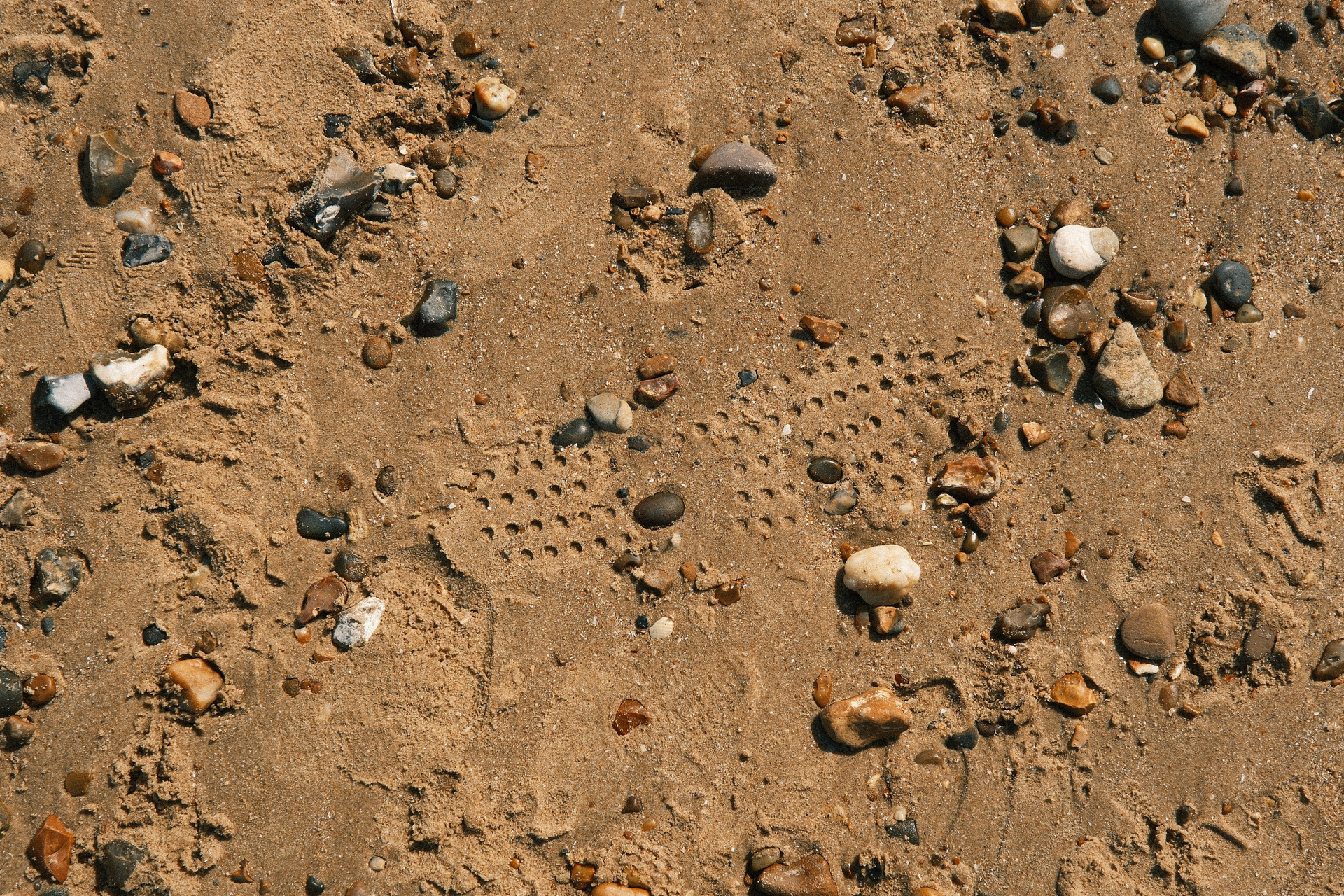
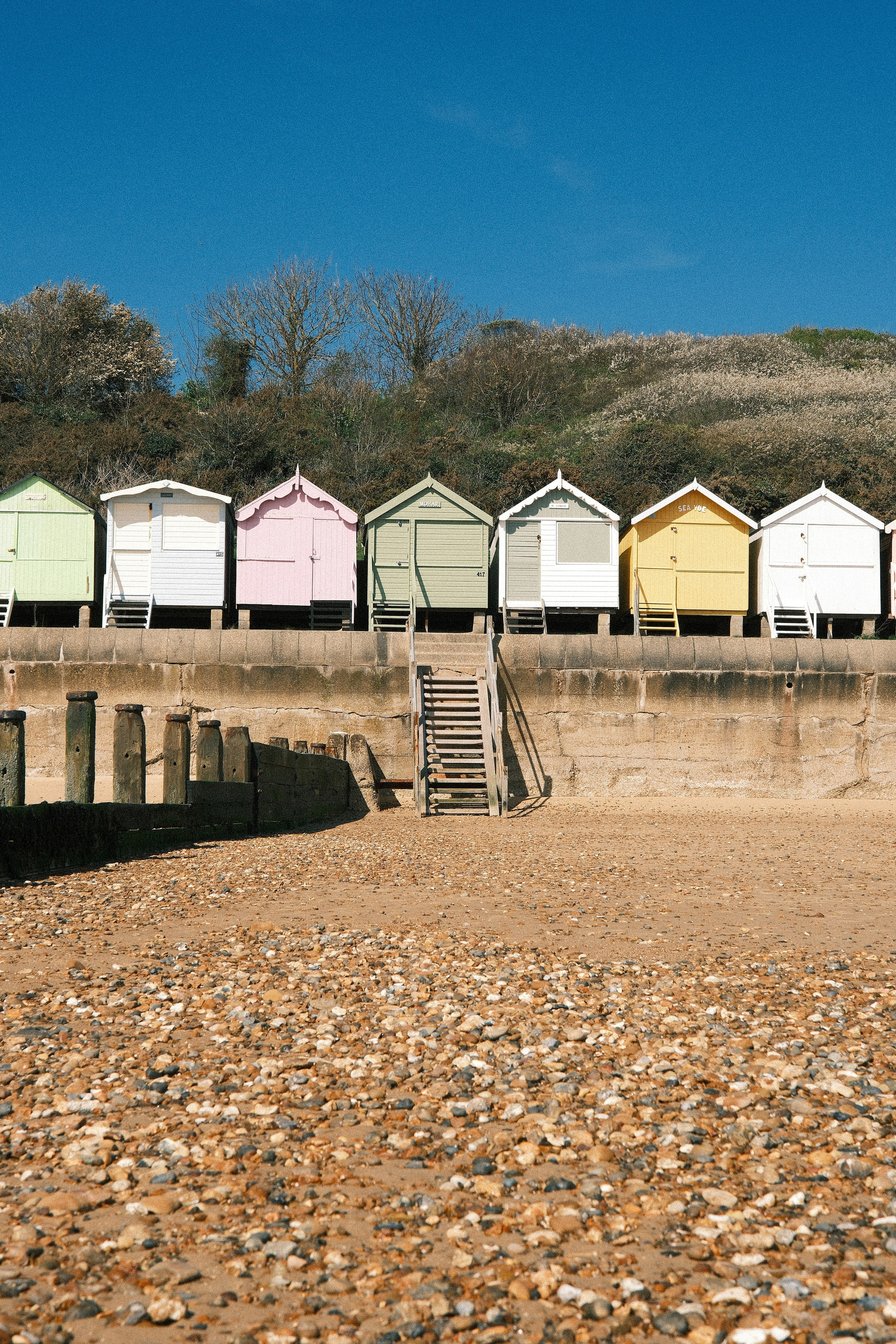
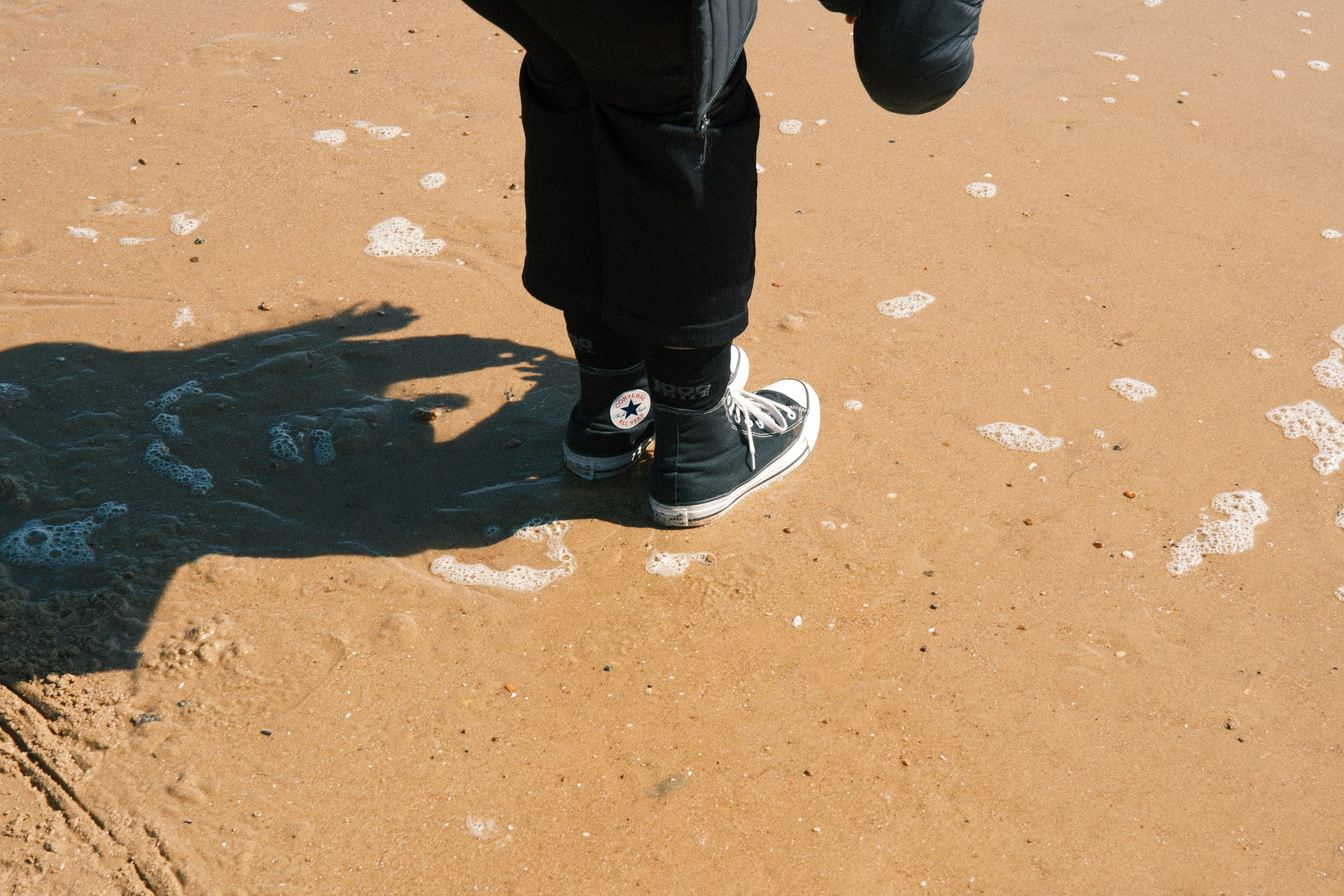
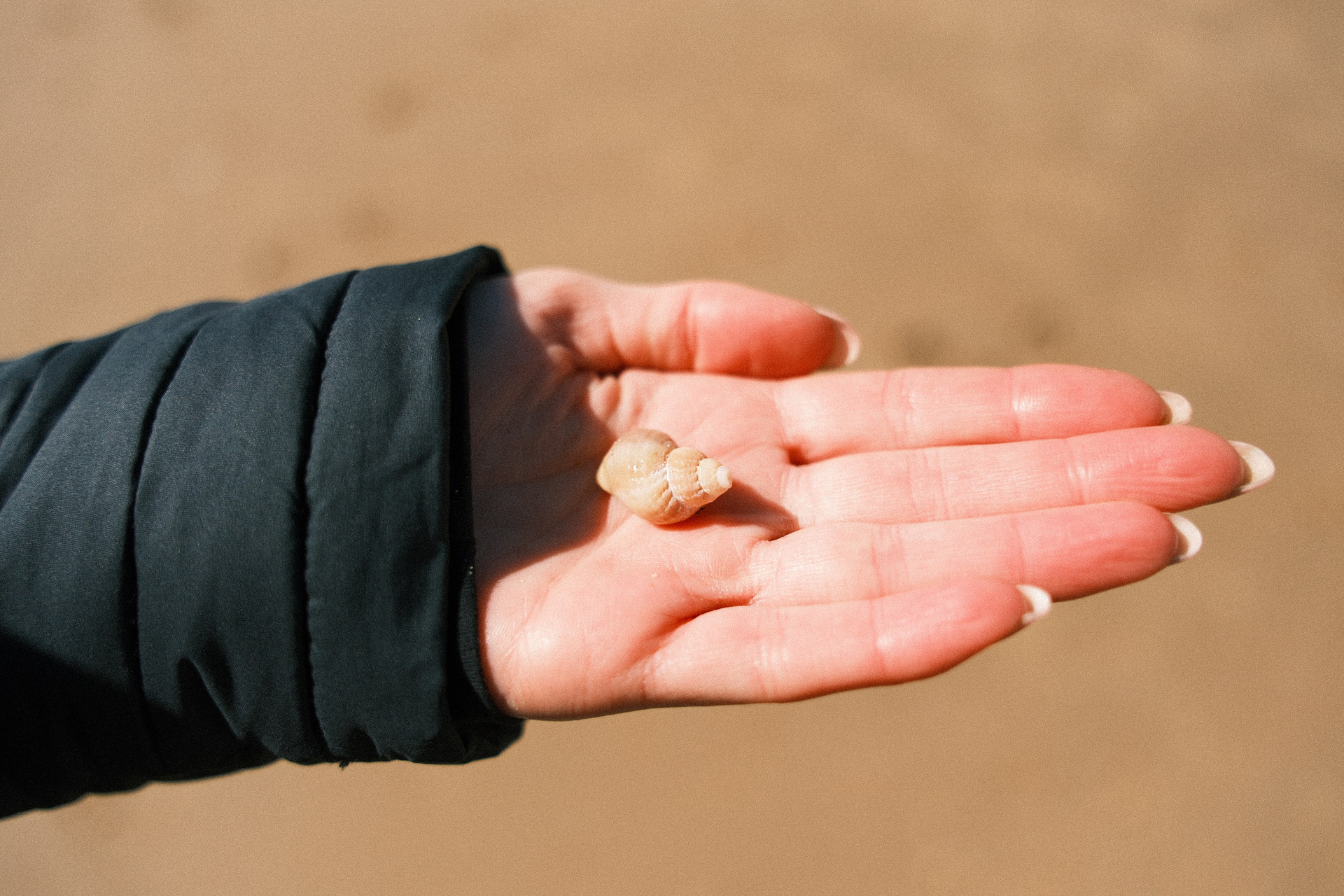
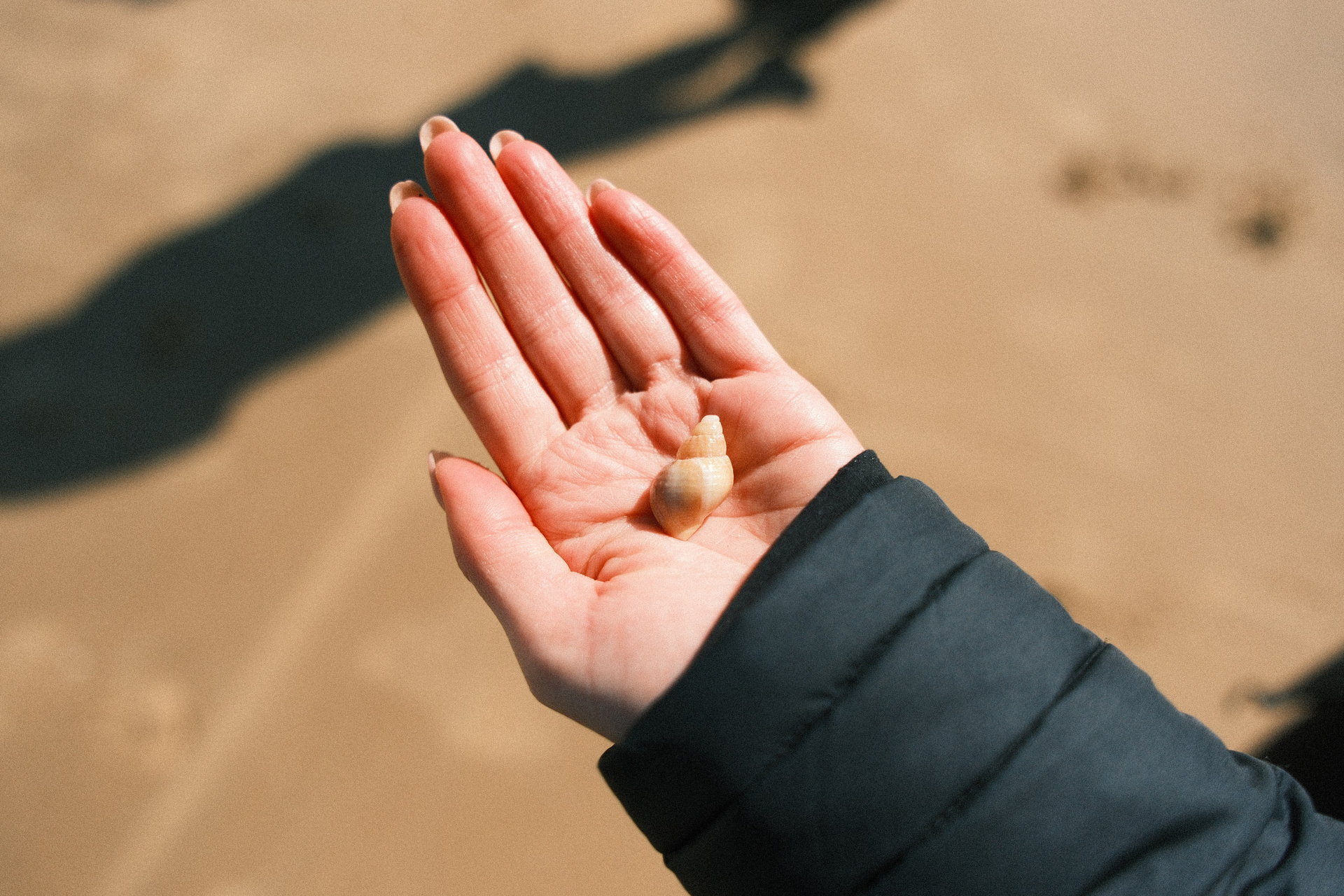
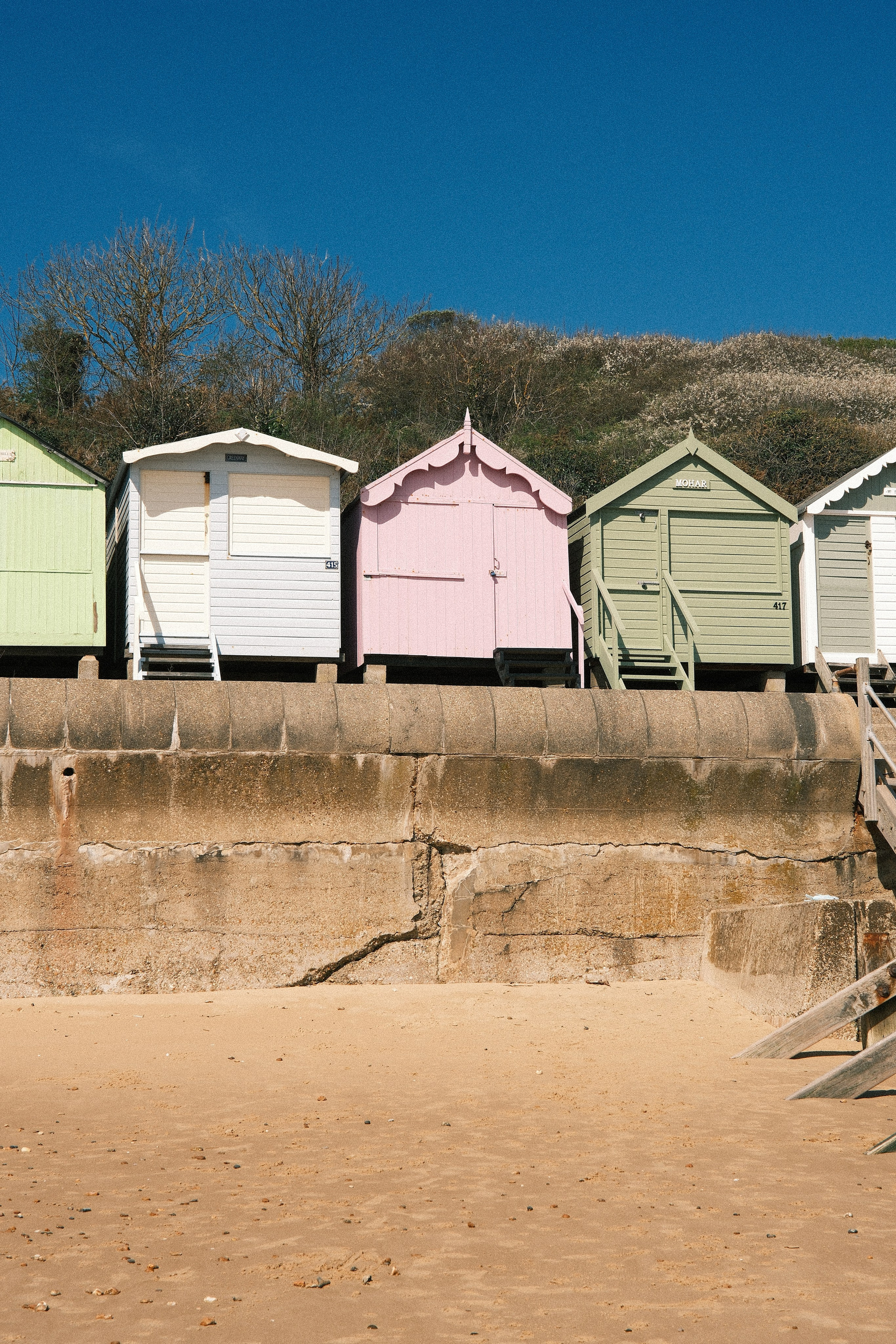
I shot a mix of landscapes using Reggie’s Supreme and also did some product shots with my Stanley food flasks. That’s where I really started to notice what makes this lens different.
The f1.8 aperture is a big deal.
More than I expected.
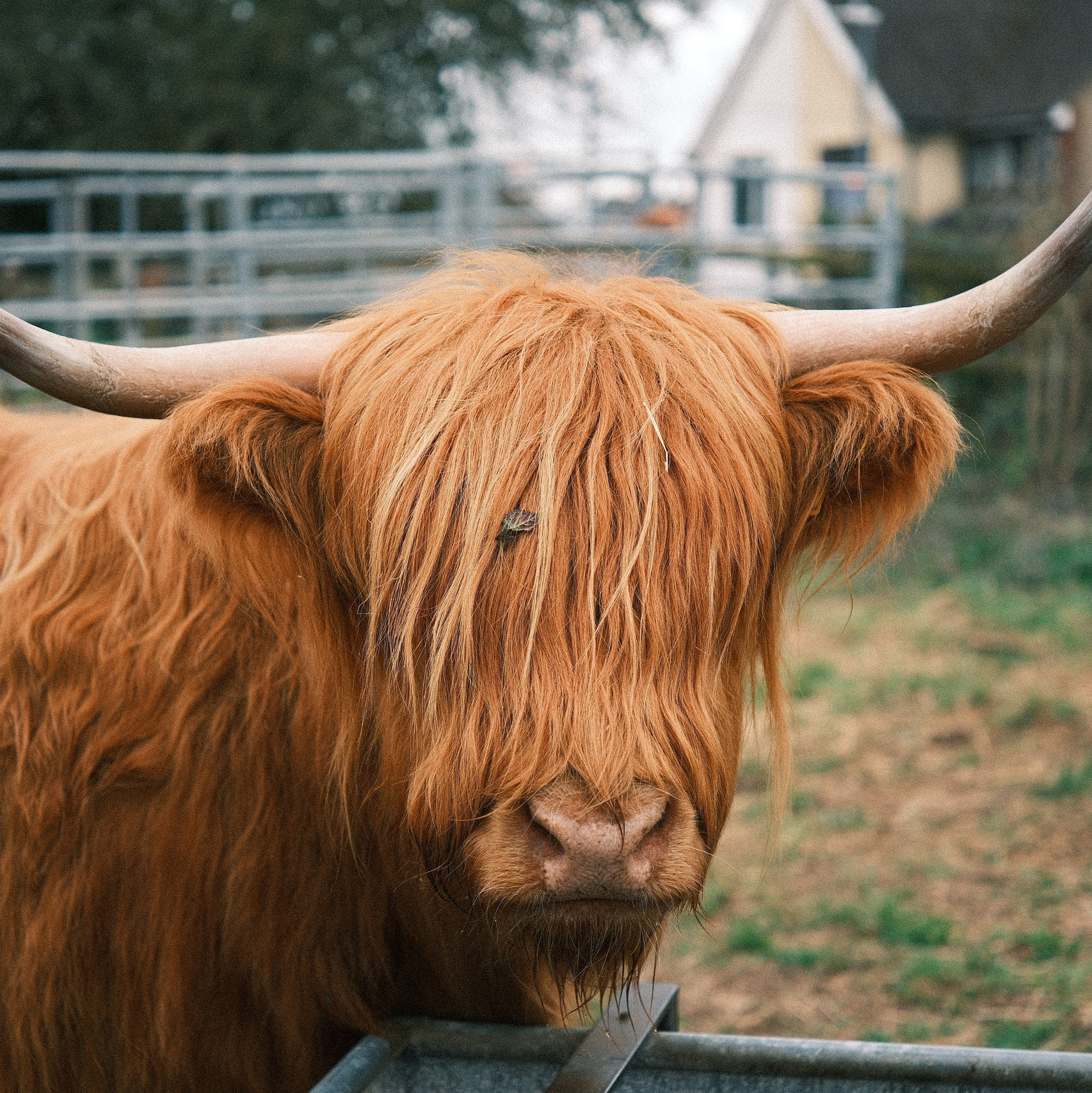
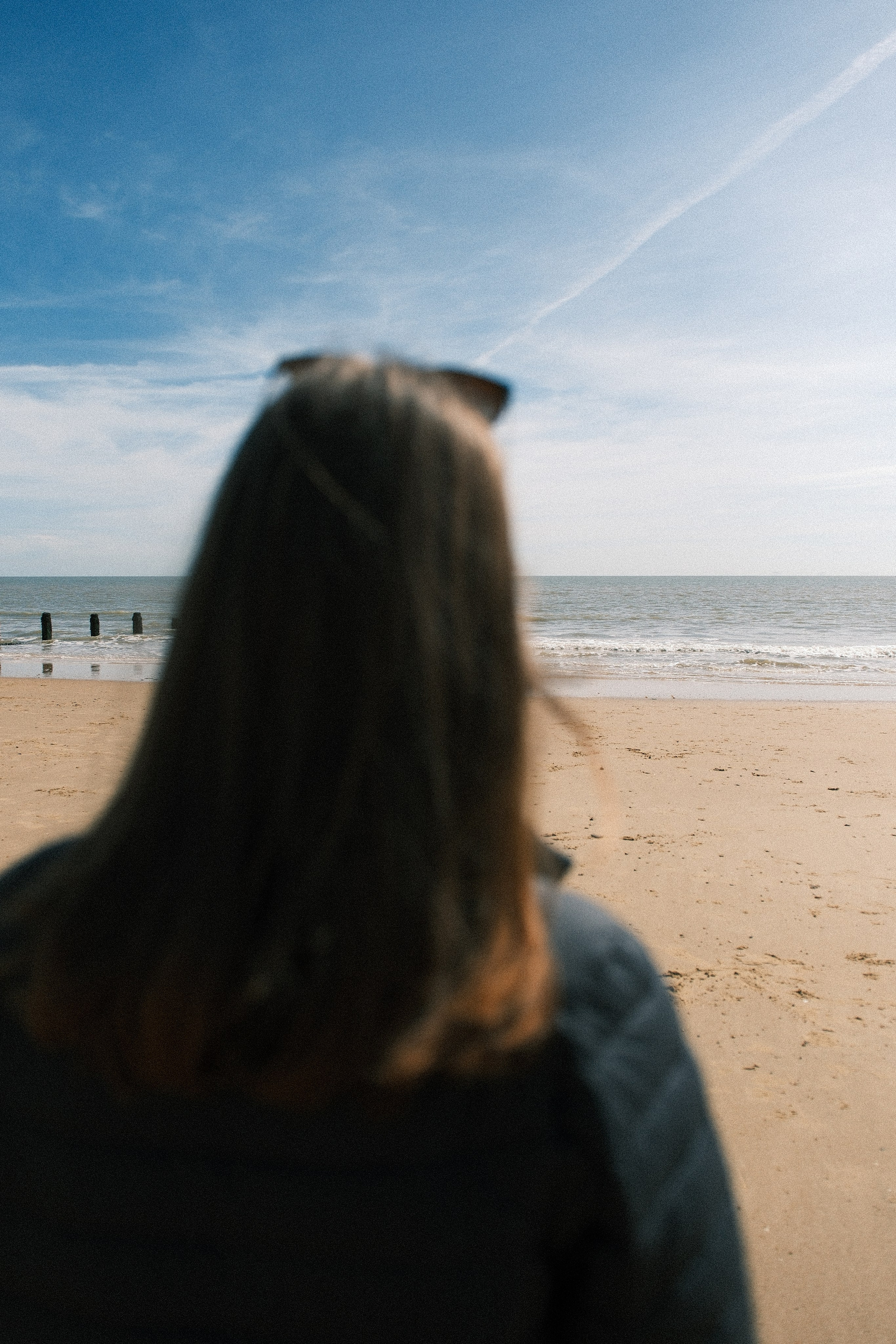
Compared to f2.8, you just get more separation. It makes it easier to isolate your subject and the background blur looks really clean. I don’t think you should rely on that to carry your photos, but having it there when you need it is genuinely useful.

Everyday Use
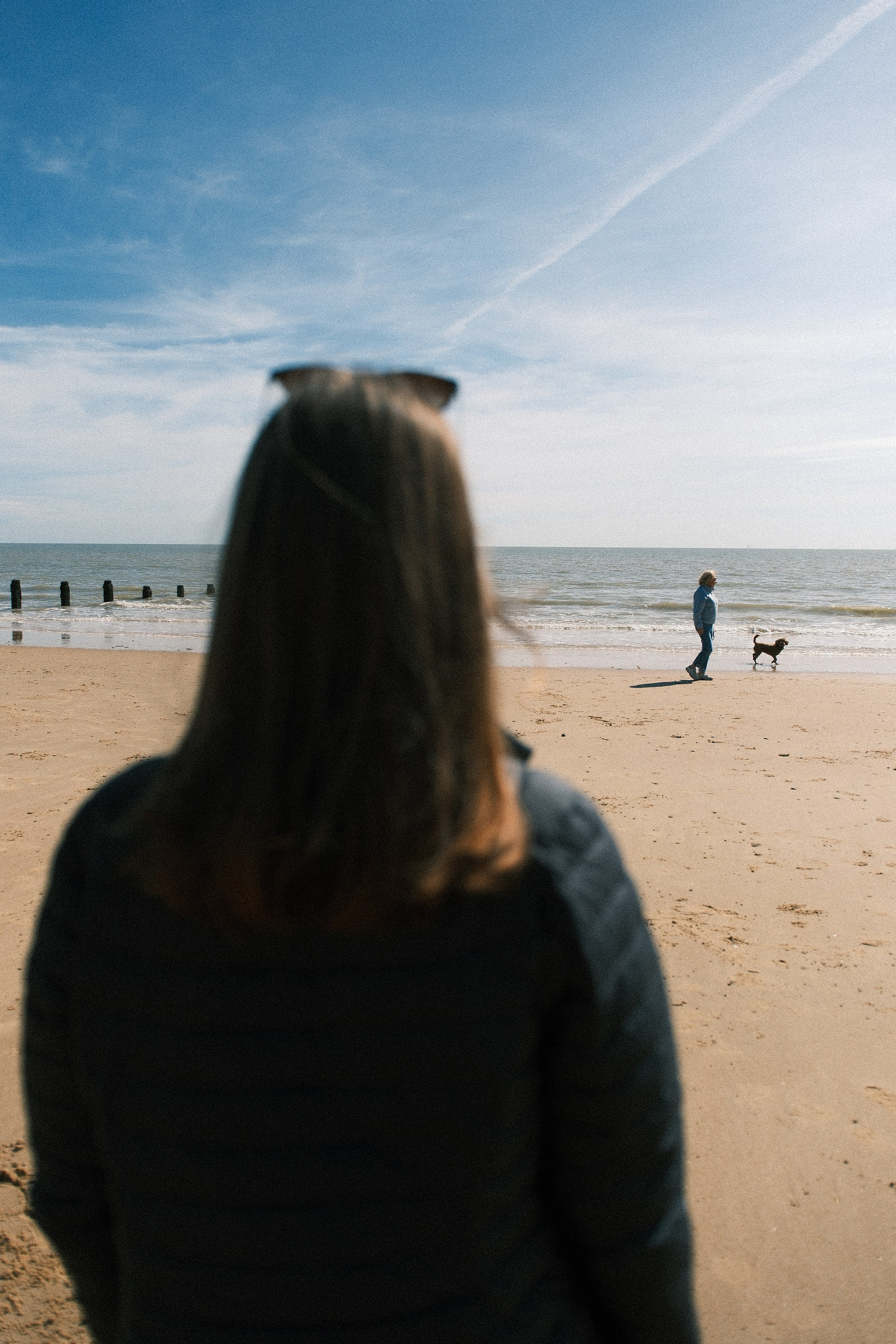
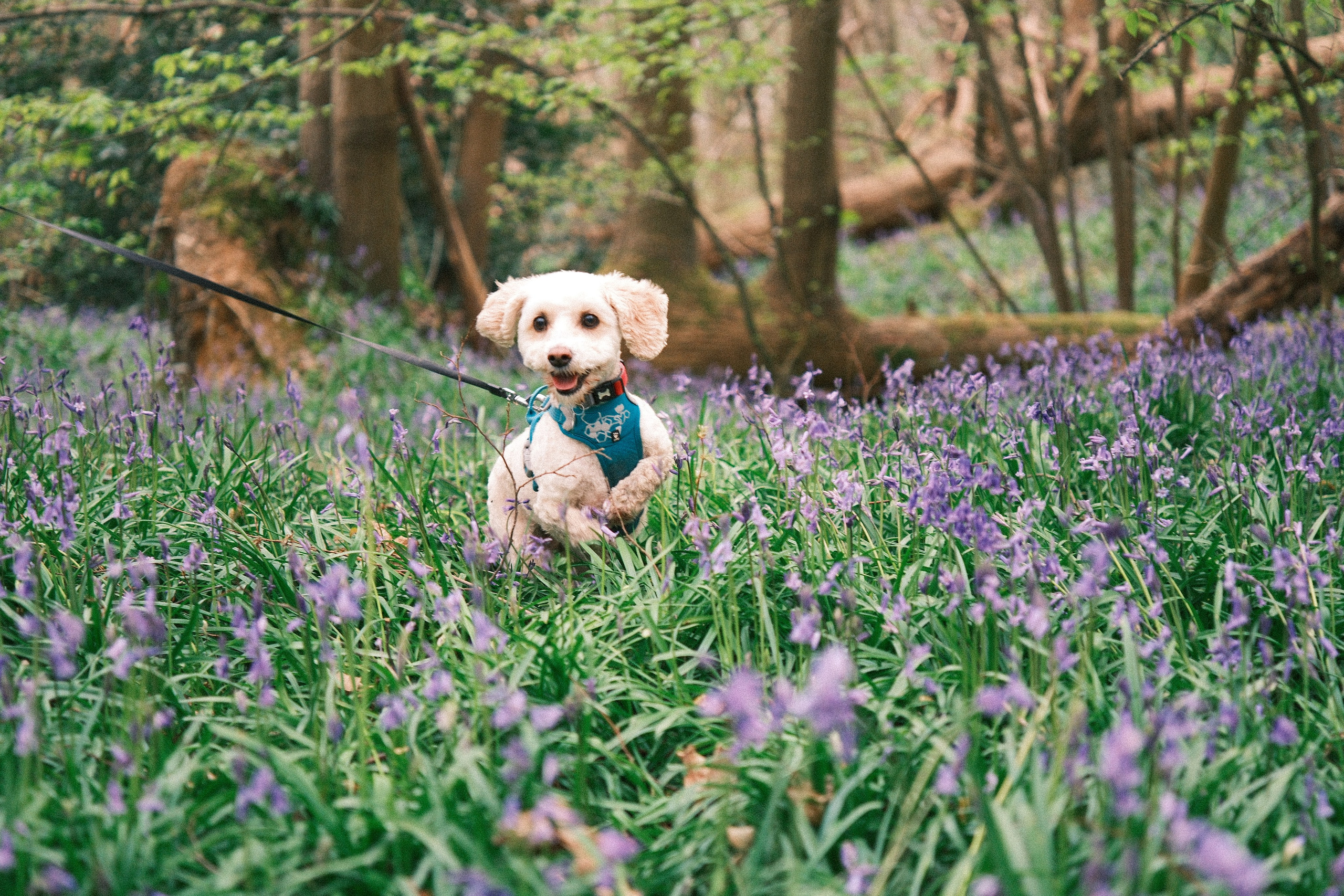
I also took it out on a more normal walk. Girlfriend, her parents, the dog. Nothing planned.
This is where I think a lot of gear gets overlooked.
Would I pick this over my 27mm pancake for that? Probably not.
The pancake wins for size and ease. You barely notice it.
With this, you do notice the weight. You do stand out more. You definitely look like the photographer of the group.
But the trade-off is flexibility.
Trying to photograph a dog running around with a fixed focal length is just harder. Being able to zoom in and out quickly makes a difference, and some of those shots turned out really well.
It’s one of those lenses where you accept the size because of what it gives you back.
The Downsides
There aren’t many, but there are a few things I’d change.
The main one is the zoom range.
I really wish it went to 50 mm or 55 mm. I naturally shoot around that range a lot, and I do miss it here. Yes, you can crop, but I try not to rely on that.
Weight is the other thing. The length doesn’t bother me, but if they could shave a bit off the weight without losing the build quality, that would make it easier for longer days.
I’d also still like some sort of lock, either on the aperture or the zoom, and it would be nice if the buttons were actually customisable. It feels like there’s more potential there.
Final Thoughts
After properly using it, not just testing it, I keep coming back to the same thought.
This feels like the lens Fujifilm should have made.
The Sigma 17-40mm f1.8 DC DN Contemporary takes a lot of what already works with the 16-55 Mark II and improves the experience in a few key ways.
The aperture feels better. The internal zoom makes a difference. The f1.8 gives you more flexibility. And overall, it just feels like a really well thought out lens.
Yes, it’s bigger. Yes, it’s heavier.
But if you’re already using something like the 16-55, this doesn’t feel like a compromise. It feels like a step forward.
I’ve genuinely enjoyed using it.
And I’m not looking forward to sending it back.
Blogs



Gran Canaria with the X100VI: Photo Diary

Why Places Like Belton House Are Actually Great for Photography
Can the Fujifilm X100VI Handle the Great Outdoors?

Are You Carrying Too Much Camera Gear? | Fujifilm X100VI
